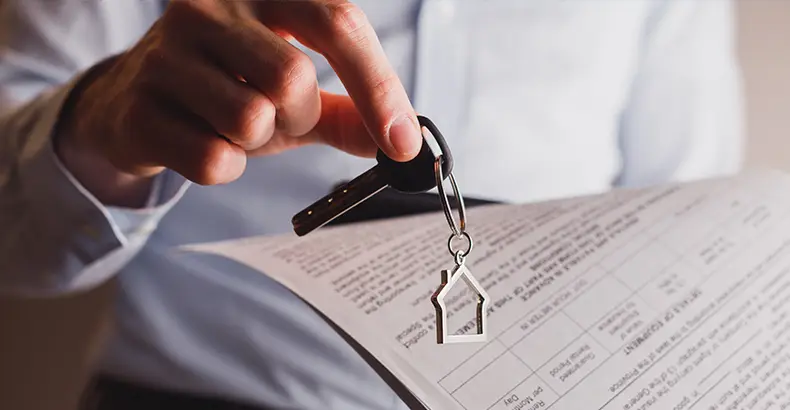

Investment property ownership can be a lucrative venture, but it comes with a range of financial responsibilities that, if not properly managed, can lead to costly mistakes. Property owners often juggle numerous tasks, from maintenance to tenant relations, but some crucial financial oversights can seriously impact long-term profitability. In this blog, we’ll cover some of the most common financial mistakes made by investment property owners and offer expert tips to help you avoid them.
1. Not Maximizing ROI During Renovations
Renovations are a great way to increase property value, but not all updates are created equal. Many property owners invest in renovations without considering the potential return on investment (ROI), which can lead to wasted money and missed profits.
How to Avoid This Mistake:
Focus on improvements that provide the most value for the cost. For example, kitchen and bathroom remodels, installing new flooring, or upgrading appliances can yield higher rent prices and attract better tenants. While cosmetic changes like fresh paint and landscaping are relatively inexpensive, they can significantly enhance the property’s appeal without breaking the bank. Prioritize upgrades that directly impact tenant satisfaction and justify higher rent rates.
Learn More About This Topic:
2. Filing Taxes Incorrectly
Filing taxes for rental properties can be complex. Without proper knowledge of tax laws, investment property owners may miss out on valuable deductions or file their returns incorrectly, leading to penalties or overpaying on taxes.
How to Avoid This Mistake:
Work with a tax professional who specializes in real estate to ensure you are taking advantage of all available deductions, such as depreciation, repair costs, and property management fees. Keep detailed records of all income and expenses related to your property to make the filing process smoother. Additionally, consider creating a separate business account for your rental property finances to keep track of all relevant transactions.
3. Using a Poor Utility Billing Process
For many investment property owners, managing utilities can be a headache. Inefficient billing processes or failure to properly allocate utility costs can lead to confusion, disputes with tenants, and lost revenue.
How to Avoid This Mistake:
Implement a clear, transparent, and consistent utility billing process. Whether you include utilities in the rent or charge tenants separately, make sure tenants understand how they will be billed and how much they are responsible for. Consider using property management software that automates utility billing to ensure accuracy and streamline the process. Additionally, ensure that all utilities are properly metered, and regularly review utility costs to identify areas where savings can be made.
Learn More About This Topic:
4. Not Having Proper Insurance
Investing in rental properties requires comprehensive insurance coverage, but many property owners neglect to evaluate their insurance needs regularly. Insufficient or outdated coverage can leave you exposed to financial risk in case of an emergency, such as property damage, liability claims, or tenant injuries.
How to Avoid This Mistake:
Review your insurance coverage annually to ensure it meets your current needs. If you’ve made improvements to the property or acquired additional units, you may need to adjust your policy. Work with an insurance agent who understands the complexities of rental properties to ensure you have the right coverage, including liability, property damage, and loss of rental income. Consider additional coverage options such as landlord insurance or umbrella policies for added protection.
5. Failing to Budget for Property Maintenance and Repairs
Many landlords fail to allocate enough funds for ongoing property maintenance, which can lead to sudden large expenses and deteriorating property value. Neglecting maintenance can also result in tenant complaints, lower occupancy rates, and expensive repairs down the line.
How to Avoid This Mistake:
Set aside a portion of rental income for regular maintenance and unexpected repairs. A good rule of thumb is to budget 1-3% of the property’s value annually for maintenance. Additionally, conduct regular property inspections to catch issues early before they turn into major problems. Staying on top of minor repairs can save you from more costly repairs and help keep tenants happy.
Evaluate Your Property’s Financial Health
Making smart financial decisions is key to maximizing the profitability of your investment property. By avoiding common financial mistakes like poor renovations, incorrect tax filing, ineffective utility management, inadequate insurance, and neglecting property maintenance, you can protect your investment and ensure steady income for years to come.
Want to learn more about effective property management and financial strategies? Visit Beach Front Property Management to speak with a property management professional today.