
- 1. What Is Corporate Housing?
- 2. Who Benefits Most From Corporate Housing?
- 3. Corporate Housing vs. Short-Term Rentals
- 4. Corporate Housing vs. Hotels vs. Traditional Rentals
- 5. Average Corporate Housing Costs by Major City
- 6. Lease Duration and Flexibility
- 7. Amenities Typically Included
- 8. Relocation Benefits for Employees
- 9. How Companies Choose Corporate Housing Providers
- 10. How to Choose the Right Corporate Housing Provider
- 11. Common Mistakes to Avoid When Booking
- 12. Budgeting for Corporate Housing and Hidden Costs
- 13. Tax and Compliance Considerations
- 14. Trends Shaping Corporate Housing in 2026
- 15. The Bottom Line
What Is Corporate Housing?
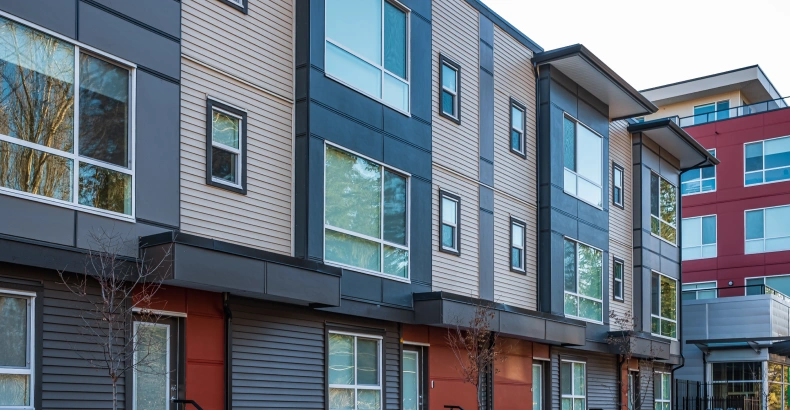
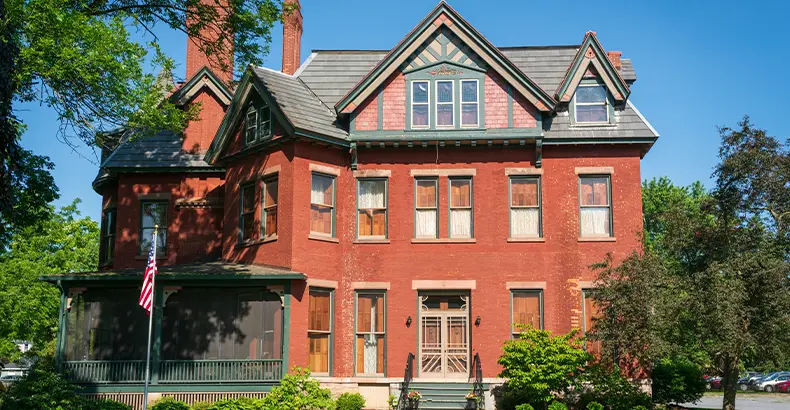
Corporate housing is professionally managed, fully furnished housing designed mainly for stays longer than 30 days. Options may include apartments, condominiums, and houses. The rate usually includes furniture, housewares, utilities, and internet.
Who Benefits Most From Corporate Housing?
Corporate housing works best for people who need more space than a hotel but do not need a long-term lease. Common users include:
- Employees relocating to a new city
- Consultants and project teams
- Traveling medical professionals
- Interns and temporary employees
- Government and military personnel
- Families displaced by repairs or insurance claims
- People receiving medical care away from home
It can also help families test a neighborhood before choosing a permanent home. The original BFPM guide notes its value during renovations, moves, internships, and extended work assignments.
Corporate Housing vs. Short-Term Rentals
Both options offer furnished stays, but they serve different needs.
Corporate housing usually focuses on stays of 30 days or longer. It often uses formal leases, bundled monthly pricing, professional support, and housing selected for work-related needs. Short-term rentals are often booked by the night or week through a vacation-rental platform.
The Corporate Housing Providers Association states that professional providers operate as insured businesses and follow applicable tax, zoning, health, safety, and lease rules.
Corporate Housing vs. Hotels vs. Traditional Rentals
The best option depends on the stay length, required space, budget, and amount of setup a company can manage. The comparison below shows the usual differences.
Feature | Corporate Housing | Hotel | Traditional Rental
Typical stay | About 30 days or longer | Nightly or weekly | Usually 6–12 months
Furniture | Included | Included | Usually not included
Kitchen | Full kitchen in most units | Limited or none | Full kitchen
Utilities and internet | Often bundled | Usually bundled | Usually arranged separately
Living space | Separate living and sleeping areas | Usually one room | Full apartment or house
Lease flexibility | Medium-term with extension options | Highly flexible, often at higher daily cost | Less flexible
Support | Provider maintenance and guest support | Front desk and hotel services | Landlord or property manager
Best fit | Relocations, projects, medical stays, insurance housing | Short business trips | Long-term occupancy
Hotels may be convenient for short trips, while traditional rentals may cost less for a long stay when the occupant can furnish the unit and arrange utilities. Corporate housing is often strongest for assignments lasting one month or longer when move-in readiness and flexibility matter.
Average Corporate Housing Costs by Major City
Rates vary by neighborhood, unit size, season, parking, pets, and stay length. A 2026 provider estimate lists these average monthly prices for a one-bedroom unit:
- New York City: about $4,000
- San Francisco: about $4,000
- Chicago: about $3,500
- Los Angeles: about $3,000
- Atlanta: about $2,000
The same estimate places the national one-bedroom average near $3,300 per month. These are planning figures because exact rates and included services change often.
Lease Duration and Flexibility
Most corporate housing begins with a minimum stay of about 30 days. Some providers allow month-to-month extensions, while others use a fixed end date tied to the employee’s assignment.
Before signing, confirm:
- Minimum stay and notice requirements
- Extension deadlines
- Early departure and cancellation fees
- Deposits
- Rate changes for extended stays
Extensions depend on availability, so request extra time as early as possible.
Amenities Typically Included
Most corporate housing is move-in ready. Common features include:
- Furniture, bedding, towels, and linens
- A full kitchen with cookware and dishes
- Wi-Fi and utilities
- Television and basic electronics
- A private bathroom
- Laundry access
- Maintenance and customer support
Some communities also offer parking, fitness centers, pools, work areas, security features, or pet-friendly units. Confirm the full package in writing.
Relocation Benefits for Employees
A furnished temporary home can make a job move easier. Employees can begin work without waiting for furniture, internet installation, or a permanent home closing.
A kitchen, living room, and laundry area can make a long stay feel more normal. Families also gain time to compare schools, neighborhoods, commutes, and permanent housing choices.
For employers, one monthly bill can simplify expense tracking. Companies should still review tax treatment because the IRS states that fringe benefits are taxable unless a specific exclusion applies.
How Companies Choose Corporate Housing Providers
Companies often compare providers based on total cost, location, safety, consistency, and service. Important questions include:
Is pricing clear and all-inclusive?
Is the unit close to the office or project?
Is maintenance and after-hours support available?
Does the provider follow local rules and safety procedures?
Are cancellation and extension terms clear?
Are business references and guest reviews available?
CHPA accreditation or a Certified Corporate Housing Professional designation may also show commitment to industry standards and continuing education.
How to Choose the Right Corporate Housing Provider
A provider should offer more than a furnished unit. The company should be able to explain how it selects properties, handles maintenance, protects the guest experience, and follows local requirements.
Start by confirming that the provider has real inventory or established supplier relationships in the required location. Request recent unit photographs, a written list of included items, and a sample lease or service agreement before approving the booking.
Companies should also review:
- Insurance and business credentials
- Local market experience
- Emergency and after-hours support
- Maintenance response procedures
- Invoice detail and payment options
- Data privacy and guest-information practices
- Quality-control and inspection standards
- Extension, transfer, and cancellation procedures
- References from business clients
For multiple employees or cities, ask whether one account contact will manage the program. Clear reporting, consolidated billing, and a consistent escalation process can be as important as the unit itself.
Common Mistakes to Avoid When Booking
Do not choose a unit only because it has the lowest advertised rent. Parking, utilities, cleaning, pet, and service fees may change the total cost.
Other mistakes include booking too late, ignoring commute time, skipping cancellation terms, assuming every amenity is included, and failing to confirm emergency support. Companies should also verify local rental rules and building restrictions.
Budgeting for Corporate Housing and Hidden Costs
Compare the total monthly cost rather than the advertised base rate. A lower rent may become more expensive after parking, utilities, taxes, cleaning, pet charges, deposits, and service fees are added.
A complete budget should review:
- Monthly rent and required deposits
- Utility allowances or usage caps
- Internet, cable, and technology fees
- Parking and transportation costs
- Pet deposits or monthly pet rent
- Housekeeping and final cleaning
- Furniture or houseware upgrades
- Early-departure and extension charges
- Damage, key, or access-device fees
- Applicable local lodging or occupancy taxes
Companies should also measure commute time. A less expensive unit located far from the worksite may increase mileage, rideshare costs, travel time, and employee frustration. Ask the provider for one written estimate showing every expected charge and the conditions that may change the rate.
Tax and Compliance Considerations
Corporate housing can involve employment-tax, local rental, insurance, and building-compliance questions. Employer-paid lodging may be treated as a taxable fringe benefit unless a specific tax exclusion applies. Employers should review the current IRS rules, including Publication 15-B, and obtain professional advice for their situation.
Lodging or transient occupancy taxes vary by city and may depend on the length and structure of the stay. A stay that exceeds a local threshold may be treated differently from a nightly hotel booking, but the rules are not the same in every jurisdiction.
Before booking or offering a unit, confirm:
- Local zoning and furnished-rental rules
- Building or homeowners association restrictions
- Lease and subletting requirements
- Required business licenses or registrations
- Insurance coverage for the unit and occupant
- Fair housing and accessibility obligations
- Security-deposit and notice requirements
- Tax collection and recordkeeping duties
Government contractors and agencies may also compare housing costs with current GSA per diem limits. A per diem rate is a reimbursement limit, not a promise that a particular unit qualifies or that all taxes and fees are included.
Trends Shaping Corporate Housing in 2026
Corporate housing is becoming a larger part of workforce planning rather than only a temporary travel expense. Employers are paying closer attention to total lodging spend, employee experience, safety, and the ability to extend or shorten assignments.
Demand is being shaped by project-based work in healthcare, infrastructure, advanced manufacturing, technology, defense, logistics, and energy. These assignments may bring engineers, medical professionals, trainers, contractors, and project managers into a market for several weeks or months.
Other trends include digital booking and billing tools, faster maintenance communication, stronger reporting, energy and utility monitoring, and requests for sustainable housing features. Companies also want reliable Wi-Fi, work areas, flexible cancellation terms, and consistent service across several markets.
For property owners, this creates opportunity but also raises expectations. Units must be well maintained, accurately represented, properly furnished, and supported by clear operating procedures. Owners should confirm that corporate housing fits the property’s local rules, insurance, staffing, and long-term leasing plan before entering the market.
The Bottom Line
Corporate housing gives temporary residents a furnished place to stay for a month or longer. The best booking balances location, total cost, flexibility, amenities, safety, and support.
For property owners, corporate housing can create another leasing option, but it requires careful pricing, furnishing, compliance, and daily management.
Beach Front Property Management helps Southern California owners improve leasing, resident service, maintenance coordination, and property performance. Visit www.bfpminc.com or email info@bfpminc.com to speak with a property management professional today.