- 1. Questions to Ask Before Buying a Historic Home
- 2. What Makes a Home Historic?
- 3. Benefits of Buying a Historic Home
- 4. How to Evaluate a Historic Home’s Long-Term Value
- 5. Drawbacks and 2026 Renovation Costs
- 6. Common Historic Home Renovation Mistakes
- 7. Historic Preservation Rules
- 8. California-Specific Preservation Regulations
- 9. Tax Incentives and Grants
- 10. Historic Homes Versus Newly Built Homes
- 11. Historic vs. Modern Home Comparison
- 12. Common Inspection Issues
- 13. Financing Options
- 14. Insurance Considerations for Historic Homes
- 15. Practical Maintenance Tips
- 16. Budgeting for Ongoing Historic Home Maintenance
- 17. Real-Life California Example
- 18. The Bottom Line
Questions to Ask Before Buying a Historic Home
Before making an offer or removing contingencies, buyers should gather information that may not appear in a standard listing. Ask the seller, local planning department, insurance broker, and inspection professionals the following questions:
- Is the property individually designated, listed in a historic district, or subject to a preservation easement?
- Is there an active Mills Act contract, and what work is required under its maintenance plan?
- Which alterations were completed with permits, and are any open violations or unapproved additions on record?
- Have the roof, foundation, drainage, sewer line, electrical panel, plumbing, chimney, or HVAC system been replaced or repaired?
- Are original windows, doors, tile, woodwork, plaster, or masonry still present and repairable?
- What insurance carriers are willing to cover the property, and what rebuilding limit do they recommend?
- Will planned renovations require design review, environmental review, architectural drawings, or specialty contractors?
- Are there known lead, asbestos, termite, moisture, wildfire, flood, or earthquake concerns?
- What major maintenance projects are likely during the first five years of ownership?
Written answers, inspection reports, permits, contracts, and estimates can help buyers compare the property’s full ownership cost with other opportunities. A historic home should be evaluated as both a real estate purchase and a long-term preservation responsibility.
What Makes a Home Historic?
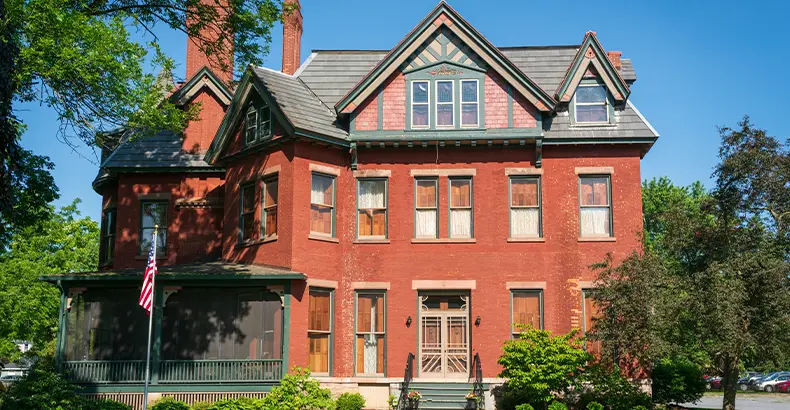
A home may be historic because of its age, architecture, past residents, or role in local history. Historic homes in California may appear on the National Register, the California Register, a city landmark list, or within a local district.
Federal listing alone usually does not restrict a private owner unless federal funding or approvals are involved. Local designation can be stricter. In Los Angeles Historic Preservation Overlay Zones, exterior work, additions, landscaping, and new construction may require review. (National Park Service)
Benefits of Buying a Historic Home
Historic properties often include original woodwork, built-ins, tile, windows, and details that are hard to reproduce. Many also sit in mature neighborhoods.
Some owners may qualify for tax savings. California’s Mills Act allows participating cities to offer property tax relief in exchange for a contract requiring preservation and maintenance. Each city sets its own rules. (California State Parks)
How to Evaluate a Historic Home’s Long-Term Value
Long-term value depends on more than age or architectural style. Buyers should examine how the property compares with similar homes, whether its historic features remain intact, and whether future owners are likely to value those features.
Start with location and scarcity. A well-maintained Craftsman, Spanish Colonial Revival, Victorian, or Midcentury home in a stable historic neighborhood may have lasting appeal because it cannot be easily reproduced. However, designation alone does not guarantee appreciation.
Review the following before treating the home as a long-term investment:
- Condition of the roof, foundation, drainage, structure, and major systems.
- Quality and documentation of earlier repairs or alterations.
- Local landmark or district rules that could affect future projects.
- Mills Act obligations, tax savings, and required maintenance work.
- Insurance availability and estimated rebuilding cost.
- Comparable sales for both historic and nonhistoric homes nearby.
- Rental demand, operating costs, and vacancy risk when the property is an investment.
- Whether the layout and parking remain practical for current buyers or residents.
A property with strong architecture but severe deferred maintenance may require years of capital spending. Buyers should compare the expected purchase, renovation, insurance, and maintenance costs with realistic resale or rental income rather than relying on charm alone.
Drawbacks and 2026 Renovation Costs
Cost is one of the largest cons of buying a historic home. Current Los Angeles market data places the average complete remodel near $91,801, with many projects ranging from about $51,564 to $132,116. Historic restoration can cost more because it may require custom materials, specialized trades, added review, and careful repair of original features. (Angi)
Buyers should obtain estimates before closing and keep a reserve for hidden damage. Opening walls may reveal outdated wiring, corroded plumbing, dry rot, water damage, or unpermitted work.
Common Historic Home Renovation Mistakes
The most expensive renovation mistake is beginning work before understanding the property’s designation, condition, and approval requirements.
Common errors include:
- Replacing repairable original windows, doors, woodwork, or tile without checking whether restoration is possible.
- Starting exterior work before receiving preservation or building approval.
- Choosing modern materials that do not match the size, profile, texture, or appearance of historic features.
- Covering water, foundation, electrical, or plumbing problems with cosmetic finishes.
- Removing later features that have gained historic importance in their own right.
- Hiring contractors who lack preservation and lead-safe renovation experience.
- Assuming old work was permitted or completed to current safety standards.
- Designing an addition that overwhelms the original home or changes its visible character.
The National Park Service’s rehabilitation standards generally favor repair over replacement and require replacement features to match the historic feature when deterioration makes repair impractical. Early review by a preservation architect or experienced contractor can prevent rework and protect the home’s character. (National Park Service)
Historic Preservation Rules
Local rules may limit changes to windows, doors, roofs, siding, porches, additions, and visible equipment. Approval may be needed before work begins. California’s Historical Building Code provides alternative regulations for repairing and using qualified historic buildings. (California State Parks)
Before purchasing, confirm the property’s designation, preservation plan, Mills Act contract, easements, and permit history.
California-Specific Preservation Regulations
California historic-property rules operate at several levels. Buyers should confirm which rules apply to the specific address before planning work.
Local preservation ordinances: California cities and counties may adopt their own rules for landmarks and historic districts. Local review can apply to visible exterior changes such as windows, doors, roofing, additions, fencing, landscaping, paint, demolition, or equipment placement. Requirements vary by jurisdiction. (California Office of Historic Preservation)
California Historical Building Code: The CHBC provides alternative building regulations for qualified historic properties. It is intended to support continued use, rehabilitation, safety improvements, and preservation without forcing every project into standards designed only for new construction. The local building agency administers the code during permitting. (California Office of Historic Preservation)
Mills Act contracts: A Mills Act agreement is generally a minimum ten-year contract with a participating local government. Tax savings are tied to an obligation to maintain and preserve the property. The contract typically continues from year to year and may remain attached to the property after a sale, so buyers should review the work plan and compliance history. (California Office of Historic Preservation)
CEQA review: A project involving a recognized historical resource may require environmental review when it could cause a substantial adverse change. Work that follows the Secretary of the Interior’s Standards may be treated more favorably, but owners should confirm the process with the local planning agency before relying on an exemption. (California Office of Historic Preservation)
Lead-safe renovation: Paid firms disturbing painted surfaces in most pre-1978 housing must follow the EPA Renovation, Repair and Painting Rule unless an exception applies. Covered firms and renovators must be certified and use lead-safe practices. (US EPA)
Tax Incentives and Grants
Historic property investment may qualify for:
- Mills Act: Local property tax relief tied to a preservation contract, often lasting at least 10 years. (California State Parks)
- Federal rehabilitation credit: A 20% credit for qualified work on certified historic, income-producing buildings. It generally does not cover a personal residence. (California State Parks)
- California rehabilitation credit: Eligible projects may receive a 20% or sometimes 25% state credit. As of 2026, applications are closed because funding has been exhausted. (California State Parks)
- Local grants or loans: Programs vary, and many grants are limited to public agencies or nonprofit groups. (California State Parks)
Historic Homes Versus Newly Built Homes
Historic homes offer character, mature settings, and possible tax benefits. They may also have older systems, uneven floors, smaller closets, and more demanding historic home maintenance.
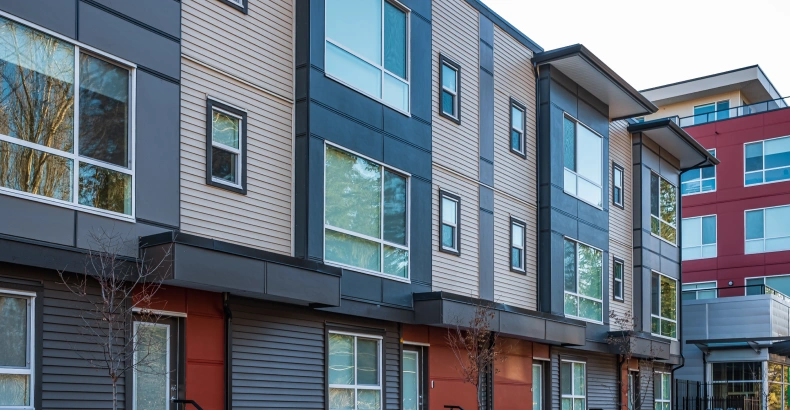
New homes usually offer modern layouts, current systems, better energy performance, and fewer immediate repairs. They may lack the craftsmanship and history found in older properties.
Historic vs. Modern Home Comparison
Feature | Historic Home | Modern or Newly Built Home
Architecture | Distinctive craftsmanship and period details | Current styles and standardized materials
Systems | May include aging or updated systems of different eras | Usually newer electrical, plumbing, and HVAC systems
Energy use | May need careful efficiency upgrades | Often built to newer energy standards
Renovation | May require local review and compatible materials | Usually fewer preservation restrictions
Maintenance | More preventive work and specialty repairs may be needed | Lower immediate repair needs are more common
Insurance | Rebuilding details may increase replacement cost | Replacement materials may be easier to source
Layout | Character-rich rooms, sometimes with less storage | Open layouts and larger closets are more common
Long-term appeal | May attract buyers who value history and scarcity | May attract buyers seeking convenience and low upkeep
Neither property type is automatically the better investment. The right choice depends on the buyer’s budget, risk tolerance, planned use, and willingness to manage maintenance and approvals.
Common Inspection Issues
A general inspection is only the starting point. Buyers should consider specialists for:
- Foundation and seismic concerns
- Roof, chimney, and drainage problems
- Outdated electrical systems
- Aging plumbing and sewer lines
- Termites, dry rot, and moisture
- Lead-based paint and asbestos
- Unpermitted additions
EPA data shows homes built before 1940 are especially likely to contain lead-based paint. Testing should be completed before renovation. (US EPA)
Financing Options
An FHA 203(k) mortgage can combine purchase and renovation costs. The Limited 203(k) allows up to $75,000 for eligible improvements, while the Standard 203(k) supports major repairs and structural work. (HUD.gov)
Fannie Mae’s HomeStyle Renovation mortgage can also finance a purchase or refinance and eligible improvements through one conventional mortgage. Other options include cash reserves or a home equity line after purchase. (Fannie Mae)
Insurance Considerations for Historic Homes
Insurance should be reviewed before removing contingencies, not after closing. Historic homes can cost more to rebuild because original dimensions, custom millwork, plaster, tile, masonry, windows, and other details may require skilled labor or special materials.
California’s Department of Insurance advises homeowners to base dwelling coverage on rebuilding cost rather than purchase price or market value. Buyers should ask how the insurer estimated replacement cost and whether the policy includes extended replacement cost and building-code or ordinance coverage. These protections may help when rebuilding requires updated safety standards or more expensive work.
Ask the insurer or broker about:
- Whether damaged historic features will be repaired with comparable materials.
- Limits for water damage, sewer backup, debris removal, and additional living expenses.
- Separate earthquake and flood coverage, which standard homeowners policies generally do not include.
- Wildfire eligibility, deductibles, and available home-hardening discounts.
- Coverage during a major renovation or when the home will be vacant.
Owners who cannot find regular coverage may investigate the California FAIR Plan. However, FAIR Plan coverage is limited and may need a separate Difference in Conditions policy for risks such as liability, theft, and certain water losses. (California Department of Insurance)
Practical Maintenance Tips
Control water first by maintaining the roof, gutters, grading, flashing, and plumbing. Repair original materials when practical. Schedule regular electrical, plumbing, foundation, and pest inspections. Keep records of permits, materials, and contractor work.
Use preservation-experienced contractors. For pre-1978 homes, paid contractors disturbing painted surfaces generally must follow lead-safe rules. (US EPA)
Budgeting for Ongoing Historic Home Maintenance
A purchase budget should include more than the down payment and first renovation. Historic properties often need steady, preventive work to protect original materials and avoid larger failures.
Create a multi-year maintenance plan that separates urgent safety work, water-control projects, system replacements, and cosmetic improvements. Obtain specialist estimates for the roof, foundation, drainage, electrical service, plumbing, windows, exterior wood, masonry, and pest prevention.
Owners should also:
- Keep a dedicated maintenance reserve separate from regular household expenses.
- Add a contingency amount to renovation budgets for concealed conditions.
- Phase nonurgent work so the most important building systems are handled first.
- Inspect roofs, gutters, drainage, caulking, and exterior paint on a regular schedule.
- Record product names, paint colors, wood species, tile, hardware, permits, and contractor information.
- Budget for preservation review, architectural drawings, testing, and specialty labor when required.
Preventive maintenance is usually less disruptive than waiting for a failure. A small roof or drainage repair may protect original plaster, floors, framing, and finishes from much more expensive water damage.
Real-Life California Example
In 2025, a 1911 Craftsman was moved from Hollywood to Altadena after the buyers lost their home in the Eaton Fire. The house cost $1, but relocation and rehabilitation remained costly. Estimates placed the finished project near $350 per square foot, compared with roughly $450 to $1,000 per square foot for some new construction. The example shows why detailed planning matters. (SFGATE)
The Bottom Line
The pros and cons of buying a historic home come down to character versus complexity. A well-chosen property can offer lasting appeal and historic property investment potential, but buyers must plan for inspections, permit review, skilled repairs, and steady maintenance.
Beach Front Property Management helps Southern California property owners coordinate maintenance, renovations, inspections, resident needs, and long-term asset care. Visit www.bfpminc.com or email info@bfpminc.com to speak with a property management professional today.