
- 1. What Causes High Vacancy Rates in Affordable Housing?
- 2. Create a Faster Affordable Housing Leasing Process
- 3. Improve Online Marketing for Available Units
- 4. Review Pricing and Market Position
- 5. Strengthen Curb Appeal
- 6. Improve Maintenance Response Times
- 7. Consider Resident Referral Programs
- 8. Support Resident Retention Through Engagement
- 9. Begin Lease Renewal Planning Early
- 10. Track Affordable Housing Occupancy Metrics
- 11. How Professional Property Management Supports Occupancy
- 12. Building a Stronger Occupancy Strategy
What Causes High Vacancy Rates in Affordable Housing?
High vacancy rates are often caused by several operational issues occurring at the same time.
Common causes may include:
- Delayed unit inspections and repairs
- Slow cleaning or vendor scheduling
- Incomplete or outdated online listings
- Limited follow-up with prospective applicants
- Lengthy application or document-review processes
- Pricing that does not match the property’s condition or restrictions
- Poor curb appeal
- Delayed maintenance responses
- Low lease renewal rates
- Limited tracking of leasing performance
Affordable housing communities may also have additional documentation, income-verification, eligibility, or approval requirements. These requirements can increase the time needed to complete affordable housing leasing when the process is not carefully organized.
Owners should review each step between move-out and move-in to identify where delays are occurring.
Create a Faster Affordable Housing Leasing Process
A faster leasing process may reduce the number of days a unit remains vacant. Planning should begin before a unit becomes available whenever the lease terms, notice requirements, and operating procedures allow.
Property management teams can prepare by:
- Reviewing upcoming move-out dates.
- Scheduling inspections promptly.
- Identifying expected repairs.
- Coordinating qualified vendors.
- Preparing approved marketing materials.
- Establishing a target unit-ready date.
- Tracking applications and required documents.
- Communicating clearly throughout the leasing process.
Each stage should have an assigned person, expected completion date, and follow-up process.
For example, a unit may be repaired within five days but remain vacant for several additional weeks because the listing was not published promptly or applicant documents were not reviewed consistently. Tracking the full process helps owners understand the actual source of the delay.
Specific leasing procedures should be reviewed based on the property, housing program, and applicable legal requirements.
Improve Online Marketing for Available Units
Effective online marketing can help qualified prospects find available housing and understand the property’s features.
Each listing should contain accurate and current information, including:
- Monthly rent or approved pricing information
- Bedroom and bathroom count
- Unit size, when available
- Interior and exterior photographs
- Property amenities
- Parking information
- Laundry features
- Included utilities
- Accessibility features, when applicable
- Contact and application instructions
- General neighborhood information
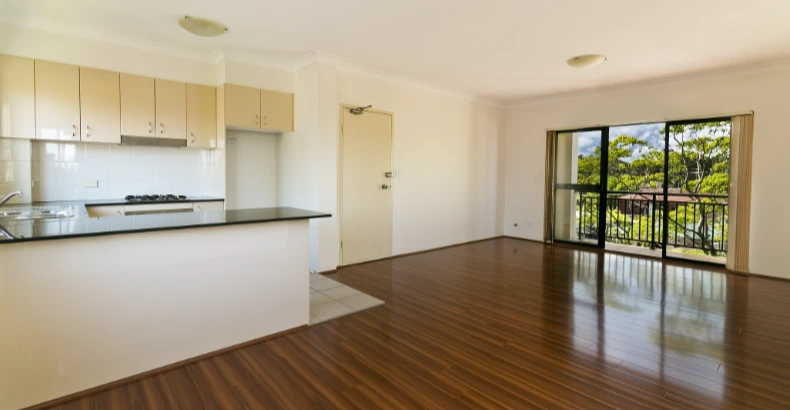
Professional photographs can improve the first impression of a unit. Images should be clear, well lit, and representative of the actual property.
Owners should also review where units are advertised. Depending on the property, approved channels may include apartment listing websites, the management company’s website, social media, and local housing resources.
All marketing materials should comply with fair housing requirements, affordable housing program rules, and company policies.
Review Pricing and Market Position
Competitive pricing does not necessarily mean setting the lowest rent in the area. It means positioning the unit appropriately based on its size, location, condition, features, and applicable restrictions.
A pricing review may compare:
- Similar nearby communities
- Unit size and layout
- Property condition
- Included utilities
- Parking availability
- Appliances
- Community amenities
- Access to transportation
- Recent property improvements
Affordable housing rents may be controlled by regulatory agreements, program limits, income restrictions, or local requirements. Owners should review any proposed rent, concession, deposit, or leasing incentive for compliance before implementation.
Accurate pricing can support affordable housing occupancy by reducing confusion and helping the property remain competitive within its approved market position.
Strengthen Curb Appeal
The exterior of a property shapes a prospect’s first impression before a unit tour begins.
Curb appeal improvements may include:
- Removing litter and debris
- Cleaning walkways and common areas
- Maintaining landscaping
- Improving exterior lighting
- Repairing damaged signs
- Touching up worn paint
- Addressing damaged gates or fencing
- Keeping leasing areas clean and organized
Major renovations are not always required. Consistent cleaning, routine repairs, and visible property care can improve how a community is presented to prospective applicants and current residents.
Improve Maintenance Response Times
Maintenance performance affects both vacancy turnaround and resident retention.
For vacant units, owners should track how quickly the property team completes:
- Move-out inspections
- Repair estimates
- Vendor assignments
- Cleaning
- Final quality-control inspections
- Unit-ready confirmation
For occupied units, timely communication and consistent follow-through may contribute to stronger resident satisfaction and renewal decisions.
Useful maintenance metrics include:
- Average time to acknowledge a work order
- Average completion time
- Number of open work orders
- Number of repeat requests
- Vacant-unit turnaround time
- Vendor completion performance
Emergency and routine maintenance requests should be handled according to applicable requirements and property procedures.
Consider Resident Referral Programs
Resident referral programs may create an additional source of leasing interest. Current residents are already familiar with the property and may know people searching for housing.
A referral program should include written terms that explain:
- Who may participate
- What qualifies as a completed referral
- When an incentive may be issued
- What documentation is required
- Whether restrictions apply
Before offering a referral incentive, owners should confirm that the program follows fair housing laws, affordable housing requirements, financial reporting procedures, and approved property policies.
Referral programs should supplement professional marketing rather than replace it.
Support Resident Retention Through Engagement
Resident retention can have a direct effect on affordable housing occupancy. Each retained household may reduce turnover costs, unit preparation expenses, and marketing time.
Depending on the property, engagement initiatives may include:
- Community newsletters
- Property updates
- Resident surveys
- Seasonal events
- Maintenance reminders
- Community resource information
- Notices about approved improvements
Communication should remain professional and accurate. Property teams should avoid making commitments about services, repairs, improvements, or outcomes that have not been reviewed and approved.
Resident feedback may also help owners identify recurring property concerns that could affect renewal rates.
Begin Lease Renewal Planning Early
Lease renewal planning should begin before a lease approaches its expiration date.
A structured renewal process may include:
- Maintaining a lease-expiration calendar.
- Reviewing upcoming renewals regularly.
- Confirming applicable notice periods.
- Evaluating approved rent adjustments.
- Preparing renewal documents.
- Tracking resident responses.
- Planning for possible move-outs.
Early planning helps owners estimate future availability and prepare maintenance, marketing, and leasing resources.
Renewal procedures and notices should be reviewed for compliance with the applicable housing program, lease, and legal requirements.
Track Affordable Housing Occupancy Metrics
Owners should use clear performance data to measure whether their vacancy strategy is working.
Occupancy Rate
The occupancy rate shows the percentage of available units that are occupied.
A declining rate may indicate issues with leasing speed, pricing, property condition, marketing, or resident retention.
Days Vacant
Days vacant measures the time between a unit becoming vacant and the next completed move-in.
Owners should compare total days vacant with repair time, marketing time, application processing, and approval time.
Renewal Rate
The renewal rate measures how many eligible households renew their leases compared with the number offered renewals.
A lower renewal rate may support a review of maintenance, communication, property condition, pricing, or local market factors.
Additional metrics may include:
- Inquiry-to-tour rate
- Tour-to-application rate
- Application completion rate
- Unit turnaround time
- Leasing cost per unit
- Marketing source performance
- Work-order completion time
- Common move-out reasons
How Professional Property Management Supports Occupancy
Professional management can provide consistent oversight across leasing, maintenance, marketing, compliance coordination, reporting, and renewal planning.
A property management company may assist owners by:
- Monitoring vacancy trends
- Coordinating unit preparation
- Improving property listings
- Responding to leasing inquiries
- Tracking required documentation
- Managing renewal calendars
- Reviewing maintenance performance
- Reporting occupancy metrics
- Coordinating qualified vendors
- Identifying operational delays
Results may vary depending on the property’s location, physical condition, housing program, market conditions, and available resources. However, organized property management can help owners identify problems earlier and make informed operating decisions.
Building a Stronger Occupancy Strategy
Improving affordable housing occupancy requires consistent attention to leasing, marketing, pricing, property condition, maintenance, resident retention, and renewals.
Owners should review both individual vacancies and overall property trends. By tracking occupancy rate, days vacant, renewal rate, and leasing performance, owners can identify delays and determine where operational changes may be appropriate.
Professional management can also provide the systems, staffing, reporting, and oversight needed to support more consistent property performance.
Visit www.bfpminc.com or email info@bfpminc.com to speak with a Los Angeles property management professional today.