
- 1. 1. Know Your Property’s Fire Hazard Zone
- 2. 2. Create and Maintain Defensible Space
- 3. 3. Harden the Building Against Embers
- 4. 4. Prepare Tenants with Emergency Plans
- 5. 5. Review Your Wildfire Insurance Coverage
- 6. 6. Hire Vendors with Fire Compliance Experience
- 7. 7. Keep Documentation for Compliance and Liability
- 8. Final Thoughts
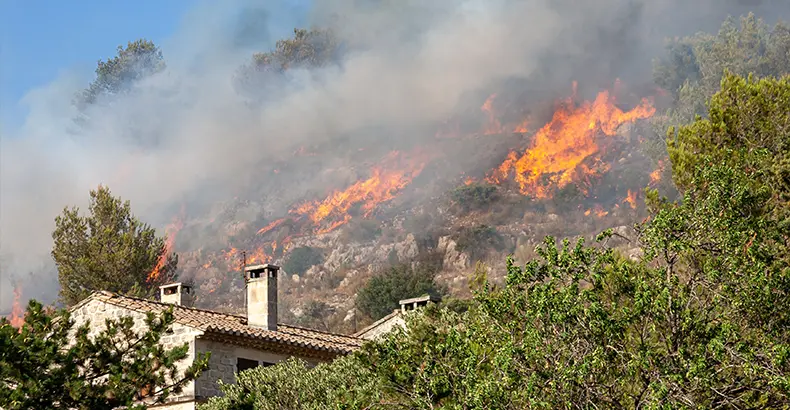
With wildfire seasons worsening in Southern California, rental property owners must take steps to protect homes, tenants, and long-term investments. Whether you own a hillside rental in Malibu or manage a multifamily complex in Riverside, complying with California wildfire safety codes and maintaining defensible space is now a core part of responsible ownership.
Here’s how landlords can strengthen wildfire protection for rental properties in California, meet state and local requirements, and reduce financial risks.
1. Know Your Property’s Fire Hazard Zone
Understanding your property’s fire risk level is the foundation of a solid protection plan.
- Check the Cal Fire Zone Map or your local city GIS tool.
- Review your parcel’s designation for Very High Fire Hazard Severity Zones (VHFHSZ).
- Assess any insurance limitations tied to high-risk areas.
Identifying your classification ensures you’re aware of California VHFHSZ compliance requirements and the scope of fire mitigation you’ll need.
2. Create and Maintain Defensible Space
California law requires landlords in wildfire-prone areas to maintain a safety buffer around their rentals. Known as “defensible space,” this barrier slows flames and improves tenant safety.
Guidelines include:
- 0–5 feet: Keep this zone completely clear of plants, mulch, or debris.
- 5–30 feet: Trim grass below 4 inches, thin shrubs, and separate plants.
- 30–100 feet: Remove dead branches, prune trees, and clear fuel ladders.
Using gravel, stone, or other non-combustible materials closest to the structure is one of the most effective wildfire safety rental property California strategies.
3. Harden the Building Against Embers
Many fires spread when embers enter weak points in a building. Hardening your rental makes it more resistant.
- Replace wood shake roofs with Class A fire-rated materials.
- Add ember-resistant vents with 1/8-inch mesh screens.
- Seal gaps in eaves, crawl spaces, and attic access points.
- Install dual-pane, tempered glass windows.
These upgrades not only improve resilience but can also lower premiums for insurance on wildfire rental properties in California.
4. Prepare Tenants with Emergency Plans
Tenant readiness is a key part of fire protection. Landlords are responsible for clear communication and basic safety measures.
- Post evacuation routes in hallways and common areas.
- Provide tenants with annual fire safety notices (per Civil Code Section 1940.9).
- Keep fire extinguishers accessible and detectors maintained.
- Label shutoff valves for water, gas, and electricity.
Providing tenants with a simple fire preparedness checklist builds awareness and reduces risk.
5. Review Your Wildfire Insurance Coverage
Coverage for wildfires in California has become increasingly complex. Some carriers have scaled back entirely, especially in VHFHSZ areas.
When evaluating policies, make sure they include:
- Replacement cost coverage, not just market value.
- Loss-of-rent protection to cover downtime.
- Liability coverage in case tenants pursue claims related to fire safety.
Work with a broker experienced in insurance for wildfire rental property in California, particularly if you own multiple units.
6. Hire Vendors with Fire Compliance Experience
Your landscapers, contractors, and maintenance vendors are critical partners in fire safety. Ensure they:
- Follow state defensible space requirements.
- Use spark-resistant tools for brush clearing.
- Carry liability insurance for working in designated fire zones.
Vendors who understand wildfire compliance can reduce your liability while keeping properties up to code.
7. Keep Documentation for Compliance and Liability
In the event of a wildfire—or even a tenant complaint—records matter. Maintain:
- Photos of defensible space and brush clearing.
- Receipts for roof, vent, or window upgrades.
- Copies of annual fire safety notices given to tenants.
- Proof of inspections and insurance renewals.
Thorough documentation can protect you from fines, lawsuits, or disputes over responsibility.
Final Thoughts
Ready to strengthen your wildfire defenses?
Southern California landlords face growing wildfire risks—but with proactive planning, compliance, and the right insurance strategy, you can protect both your tenants and your bottom line. From maintaining defensible space to ensuring California VHFHSZ compliance, every step builds resilience into your rental portfolio.
At Beach Front Property Management, we help property owners across Los Angeles, Orange County, and the Inland Empire create wildfire protection plans, coordinate vendors, and manage fire safety compliance.