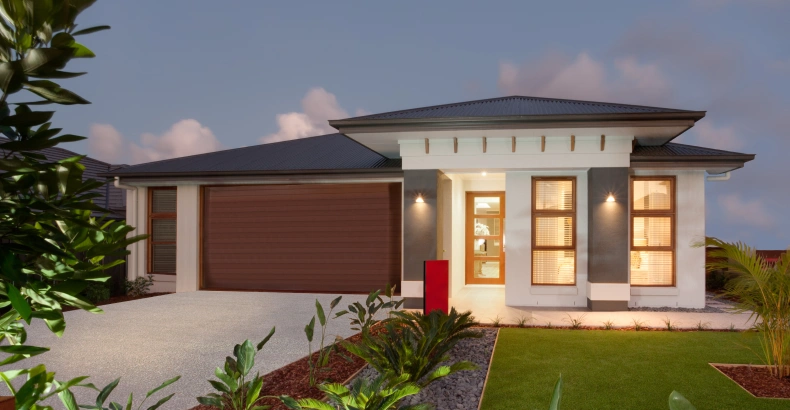
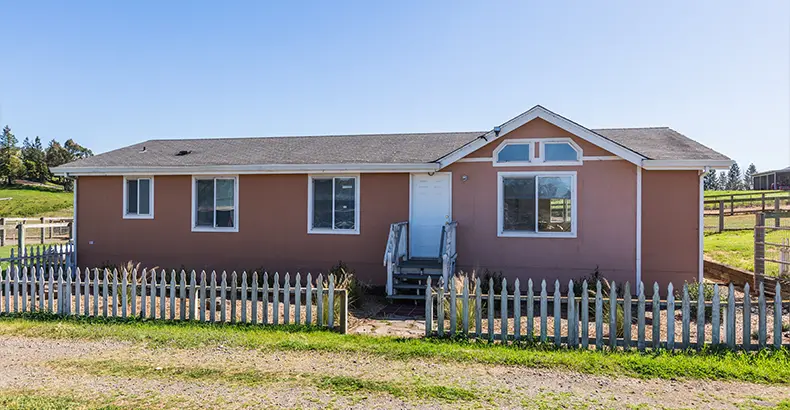
As rental costs continue to surge across Southern California, Accessory Dwelling Units (ADUs) have emerged as one of the most effective strategies for boosting affordable housing without new land development. Also known as “in-law units” or “granny flats,” ADUs are compact, self-contained homes built on the same lot as a primary residence. With updated California ADU rules in 2025 favoring their construction, ADUs offer a multifaceted solution for homeowners, renters, and local communities.
What Exactly Is an ADU?
ADUs are secondary housing units that share the same water, sewer, and electric connections as the main home. Common configurations include:
- Detached backyard cottages
- Garage conversions
- Basement apartments with private entries
- Units above detached garages
California law (2025 update): Homeowners are generally permitted one ADU per lot and one Junior ADU (JADU), depending on zoning. State guidelines set minimum allowances, but counties and cities—like Los Angeles, Orange County, and San Diego—may apply their own size, design, or parking standards. Most ADUs range from 800–1,200 sq. ft., and must include a full kitchen, bathroom, sleeping area, and independent entry.
Why ADUs Are Gaining Popularity in Los Angeles, Orange County & San Diego
1. Addressing the Affordable Housing Shortage
With median rents in Los Angeles topping $2,800/month in 2025, ADUs create smaller, more affordable housing options. They’re ideal for students, seniors, and young professionals priced out of traditional markets.
2. Increasing Housing Supply Without New Land
Unlike large-scale multifamily development, ADUs maximize existing residential land without rezoning. Cities like Long Beach, Pasadena, and Santa Ana are actively encouraging ADU development to meet state housing mandates.
3. Boosting Property Value and ROI for Homeowners
For homeowners, ADUs are more than extra space—they’re an income-generating investment. With rental demand high, a well-designed ADU can produce steady monthly cash flow. Homeowners also benefit from increased resale value and property equity. Multi-generational families gain flexibility by housing elderly parents or adult children affordably.
Challenges to Consider
ADU Cost in Los Angeles & Beyond
Building an ADU in Southern California in 2025 typically costs $175,000–$350,000, depending on size, finishes, and site work. Detached ADUs often cost more than garage conversions. Homeowners should factor in construction loans, design fees, and utility upgrades. Some cities offer grants, fee waivers, or forgivable loans to encourage ADU projects.
Permit Process for ADUs in Orange County and Other Jurisdictions
While California requires ADU permits to be approved within 60 days, each city adds layers of rules. Orange County cities may set parking standards, design guidelines, or height restrictions. Coastal zones often add environmental and design compliance hurdles. Working with an experienced ADU architect or builder ensures faster approvals.
Ongoing Maintenance & Operations
ADUs come with ongoing costs: HVAC servicing, landscaping, higher utility usage, and possibly higher property taxes and insurance premiums. If rented, landlords must comply with tenant laws and budget for long-term upkeep.
Top Tips to Build a Compliant, Cost-Effective ADU in California
1. Plan with Purpose
Decide your goal—rental income, family housing, or long-term investment. Layouts should reflect that. A studio is ideal for renters, while a two-bedroom may suit multi-generational families.
2. Secure Financing Early
Explore home equity lines, refinancing, or construction loans. Programs like CalHFA’s ADU Grant Program (when funded) may cover pre-development costs.
3. Budget for Compliance
Factor in architectural plans, engineering reports, utility tie-ins, and permits. Older homes may require energy efficiency upgrades or asbestos/lead inspections.
4. Prioritize Energy Efficiency
Install efficient HVAC systems, insulation, and solar panels to reduce long-term costs. In sunny areas like Riverside or Palm Springs, solar can significantly lower operating expenses.
5. Prepare for Property Management
If renting, partner with a firm like Beach Front Property Management for tenant screening, leasing oversight, maintenance, and regulatory compliance. Clear lease agreements should outline occupancy and parking rules.
ADU Pros and Cons Summary
Pros:
- Expands affordable housing supply
- Generates rental income & ROI
- Increases property value
- Provides flexibility for family or tenants
Cons:
- Requires significant upfront investment
- Construction and permits can be complex
- Increases maintenance and insurance obligations
- Not all cities allow short-term rentals
Final Takeaway
ADUs aren’t just a housing trend—they’re a long-term solution to California’s housing shortage. With updated California ADU rules in 2025, homeowners have more opportunities than ever to create affordable housing, earn rental income, and grow property value. With the right planning, financing, and management, an ADU is one of the smartest property investments available today.
For help planning or managing your ADU project in Los Angeles, San Diego, Orange County, or the Inland Empire, contact BeachFront Property Management.