
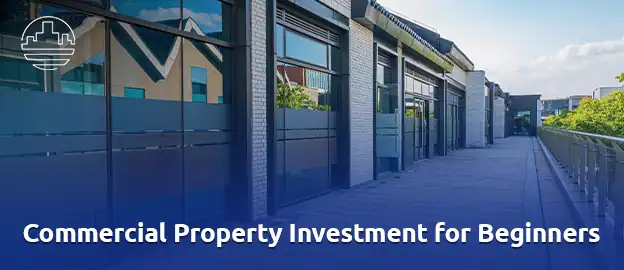
California’s commercial real estate market is thriving. Multifamily developments are expanding rapidly in the Bay Area, while industrial properties in Los Angeles, Sacramento, San Jose, and Oakland continue to see rising rents and record-low vacancy rates.
For investors looking to diversify portfolios, commercial property investment offers consistent income and long-term appreciation. However, beginners must understand that commercial real estate (CRE) carries different risks and complexities compared to residential property. With the right strategy, knowledge, and guidance, you can maximize returns while avoiding costly missteps.
Commercial Property Investment: The Basics
1. Understand Cash Flow vs. Value-Add Properties
Commercial transactions vary in complexity. Before investing, ask: does the property meet your financial goals?
- Cash Flow Properties: Leased immediately with steady rental income. These provide quicker returns and can be leveraged to fund additional investments.
- Value-Add Properties: Require renovations and deferred maintenance before generating income. While initial cash flow is lower, returns typically rise after improvements, especially in high-appreciation neighborhoods. Holding periods average 2–3 years.
2. Investing in Multifamily Properties
Multifamily assets remain one of the most accessible ways for beginners to enter CRE. Two approaches exist:
- Low-cost rentals: Fewer renovation expenses, lower rents, and reduced vacancy risk.
- Renovated units: Higher maintenance and upfront costs but potential for increased rent rates.
Decide whether your goal is stable occupancy or long-term rent growth.
3. Triple-Net Leases (NNN)
A Triple-Net Lease (NNN) shifts responsibility for insurance, property taxes, and maintenance to the tenant, in addition to rent. These are common in retail leases.
Benefits: Saves time and reduces landlord responsibilities.
Considerations: Typically yields lower returns, and success depends heavily on tenant reliability. Always evaluate the tenant’s financial stability and reputation before entering an NNN agreement.
4. Financing Commercial Property
CRE financing differs significantly from residential loans. Investors must evaluate:
- Interest rates: Determined by the prime rate and lender policies.
- Amortization period: Longer amortization reduces monthly payments but increases interest costs.
- Loan term: Often tied to lease length, making cash flow alignment critical.
Beginners should prepare for larger down payments and stricter approval requirements than with residential mortgages.
5. Commercial Property Management
While not always required (especially with NNN leases), property management provides valuable support. Professional managers oversee:
- Rent collection
- Maintenance scheduling
- Vendor relationships
- Tenant relations
- Financial reporting
Though management fees reduce net income, the time savings, tenant retention, and reduced legal risks often make the investment worthwhile.
Why Beginners Should Consider Commercial Real Estate
- Higher Income Potential: CRE leases typically provide greater monthly income than residential units.
- Tenant Stability: Businesses often sign longer leases, reducing turnover.
- Portfolio Diversification: CRE balances investment risk by adding hard assets.
- Passive Income: With management support, CRE can generate income without day-to-day involvement.
Partner with BFPM for Commercial Property Success
Getting started with commercial real estate can feel overwhelming, but with the right partner, it becomes a powerful wealth-building strategy. At BeachFront Property Management, we help beginners and seasoned investors alike maximize returns through expert leasing, maintenance, compliance, and financial reporting.
From identifying the right property to managing day-to-day operations, we’re here to ensure your investment thrives.
Ready to start your commercial property investment journey? Contact Beach Front Property Management today.

Trevor Henson
Trevor Henson is an experienced entrepreneur (10+ highly-successful start-ups) and property investor with a demonstrated history of building and leading teams in investment property management environments, maximizing returns for property owners, and optimizing properties through construction management and re-positioning. He…Learn more about how we can help. Customized solutions for large portfolios!